
Medicine
Why Visceral Pain Makes Us More Empathetic
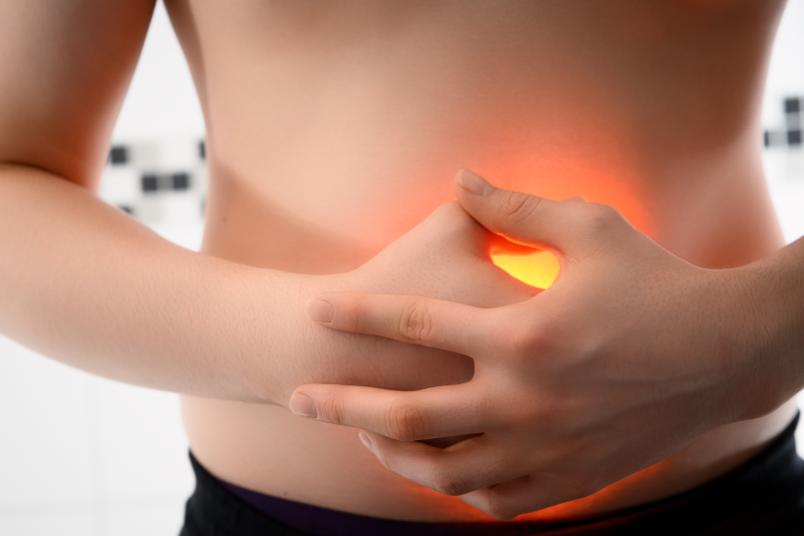
Interoceptive, visceral pain from within the body is perceived more unpleasant than exteroceptive pain from outside the body. A new study shows that the type of pain also influences how we empathize with others.
The type of pain influences how unpleasantly we perceive it: Visceral pain from inside the body, such as stomach ache, feels worse than somatic pain, like when we burn our finger. A medical study at Ruhr University Bochum has shown that this is not only the case when we are personally in pain, but it also influences empathy for pain when others are affected. We empathize more strongly with persons experiencing visceral pain, especially if we know them well. The team working with Dr. Milena Pertz from the Department of Medical Psychology and Medical Sociology reports its findings in the Journal of Pain from December 5, 2025.
Interoceptive, visceral pain from within the body
The researchers recruited 30 healthy participants, all of whom were in a committed relationship for at least three months. The study was conducted on four days. On the first day, the researchers provided questionnaires and tasks to assess the participants’ trait-empathy in everyday life. On the second day, the participants were exposed to various types of pain: a heat stimulus on the skin of the lower abdomen, and interoceptive visceral pain induced by pressure. The participants evaluated these two types of pain from their own perspective and from the perspective of both their Loved-one and an unknown individual. Six days later, they were asked to imagine how they personally, their Loved-one, and an unknown person would perceive the pain. The researchers determined how unpleasant the participants rated the pain, how personally aroused they felt by imagining pain for different people, and how much empathy they felt. Two days after this, the participants again rated their empathic responses when recalling the pain using online based ratings.
Visceral pain is perceived to be worse even in the absence of noxious stimulation
“The study shows that interoceptive, visceral pain induces stronger cognitive, affective, and empathic responses than does somatic pain. This is the case both from one’s own perspective as well as when the participants imagined the pain for others,” Pertz explains. The participants graded visceral pain as more intense and unpleasant than the pain caused by heat, and felt more empathic concern and personal distress, both for themselves and when imagining their Loved-one or a stranger experiencing such pain. “The effect was most pronounced when the participants considered their Loved-one’s experience,” says Pertz. “This difference remained stable even in the absence of noxious stimulation eight days after painful stimuli were applied.”
The results help to understand how interoceptive bodily threats influence psychosocial behavior. The study also paves the way for future research into predictive factors for empathic reactions both in patients with pain as well as in the people who care for them, such as caregivers and healthcare professionals.